The High Coast Context
More than a location
The High Coast of Sweden is not only a geographical location.
It is the physical base and environmental context for High Coast Health Intelligence Institute.
The Institute is built around diagnostics, data, AI systems, expert networks, research and structured health programs. But it is also built in a specific place — a place shaped by nature, geology, seasonality, space, recovery and long-term thinking.
This matters.


The High Coast is not treated as a decorative backdrop.
It is part of the broader context in which the Institute is being developed.
A local base.
A rural Nordic knowledge hub.
A setting for science, health, recovery and innovation.
A place where digital systems and human experience can meet.
The model is distributed.
But the base is here.
A landscape in continuous change
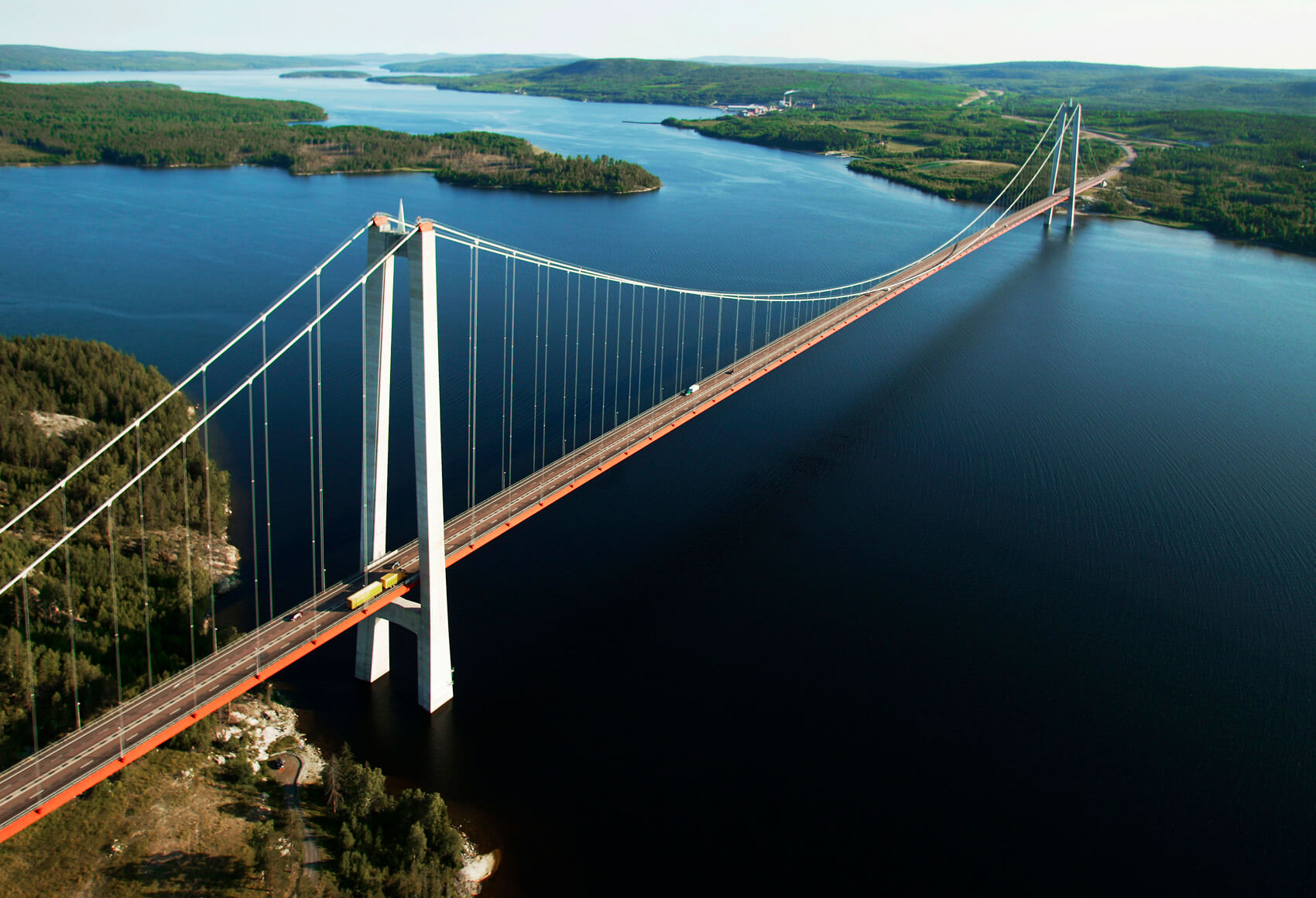
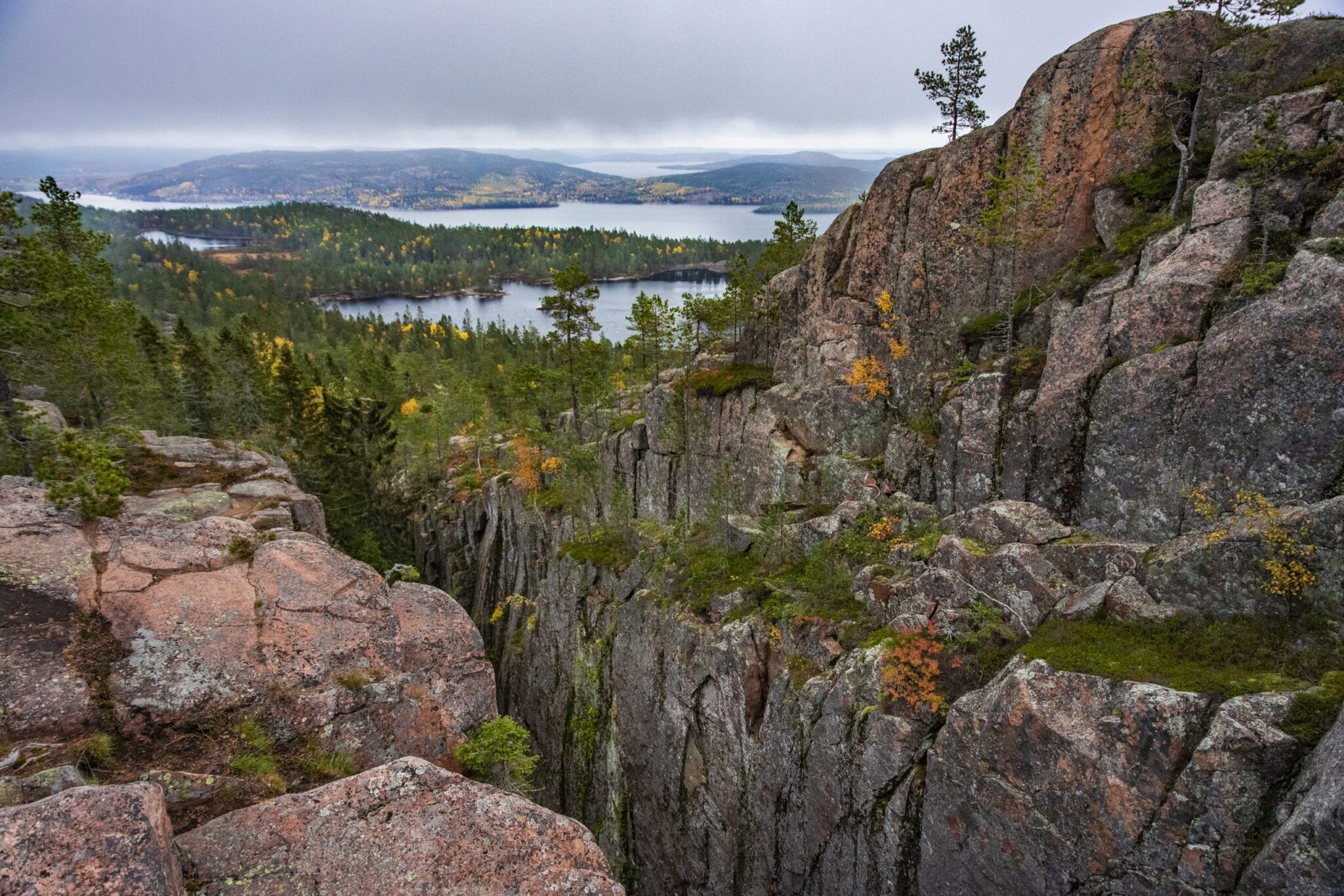
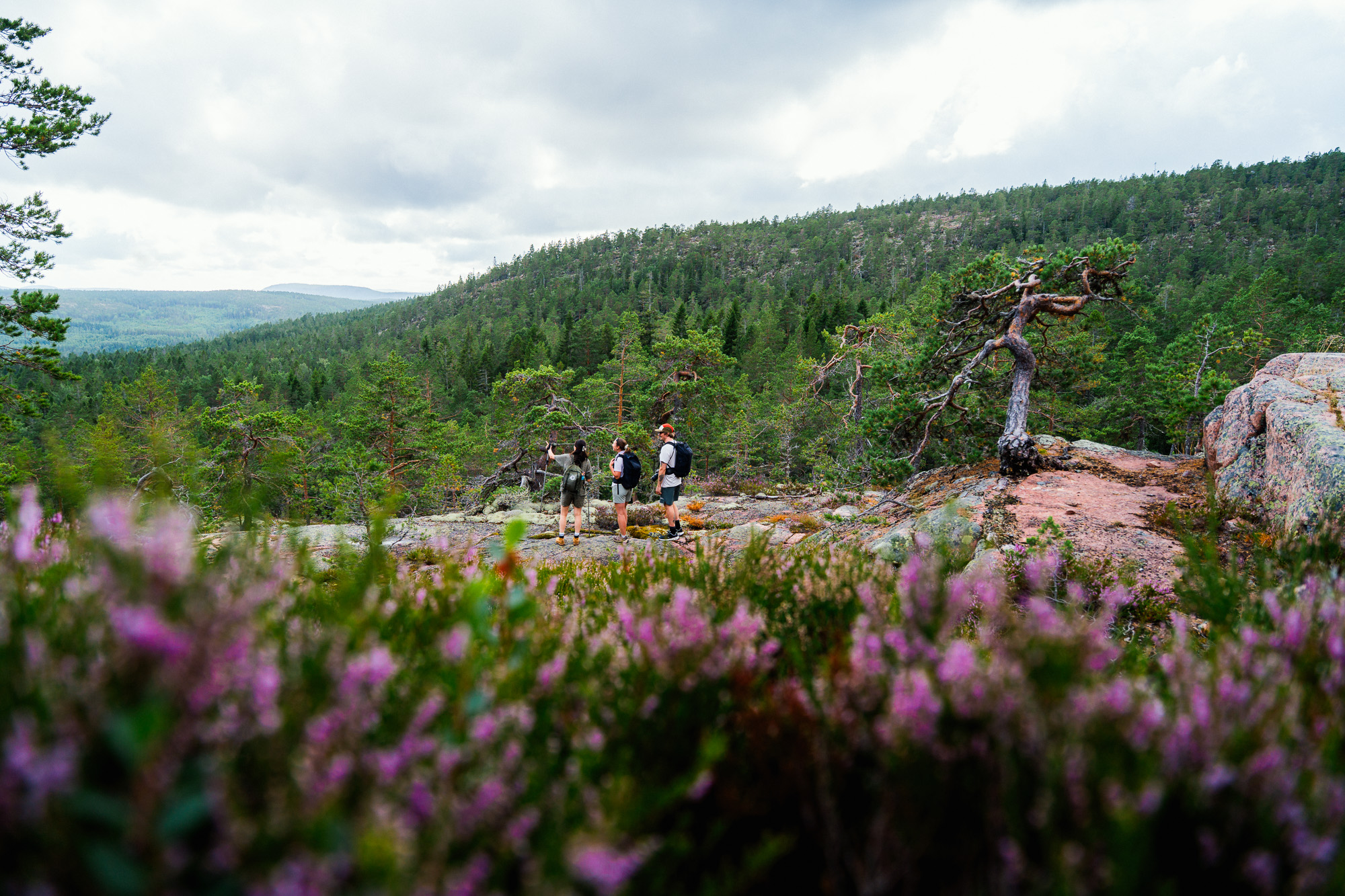
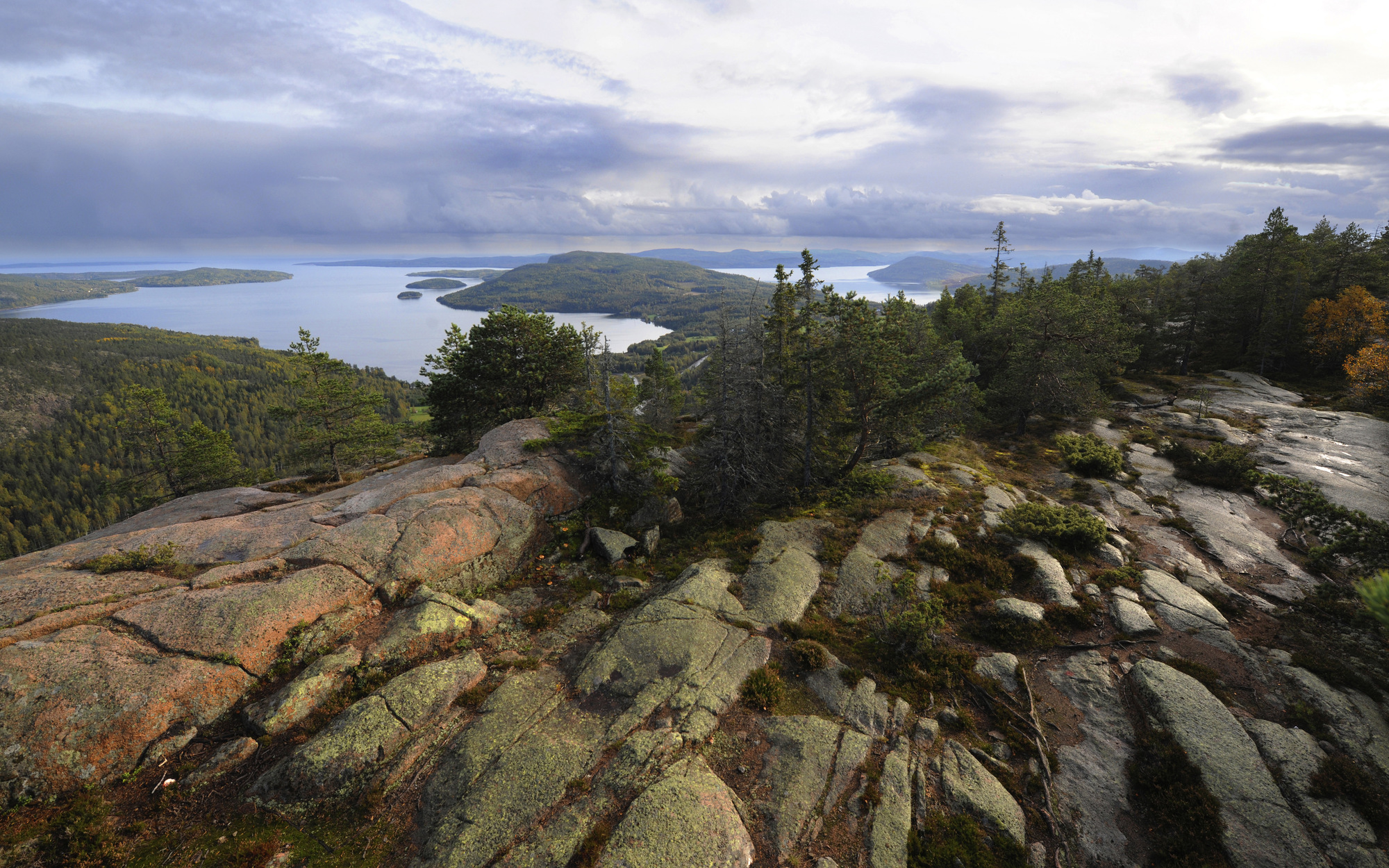
The High Coast is one of the most geologically unique regions in the world.
Following the last ice age, the land continues to rise through post-glacial rebound. The coastline reaches some of the highest elevations of its kind, creating a landscape shaped by deep time and continuous natural change.
This has created a region defined by:
- steep coastlines and cliffs
- deep forests and varied terrain
- proximity between land, river and sea
- long seasonal shifts
- strong visual and environmental contrast
The landscape is not static.
It reflects long-term natural processes, adaptation and gradual transformation.
For an institute focused on health intelligence, prevention and long-term biological systems, this setting has symbolic and practical relevance.
The place itself reminds us that meaningful change often happens over time.
Environment as context
The High Coast is defined by variation.
Across the year, the region experiences large shifts in daylight, temperature, weather, activity and recovery patterns.
These conditions affect how people live, move, rest and experience time.
In many modern environments, natural signals are reduced, flattened or removed. People live with constant light, constant stimulation, indoor routines, digital overload and limited contact with seasonal rhythm.
The High Coast offers something different.
It provides a setting where natural variation remains visible:
light and darkness, warmth and cold, movement and stillness, sea and forest, distance and quiet, effort and recovery
The Institute does not claim that environment alone creates health.
But environment can influence behavior, recovery, attention, stress, routines and long-term thinking.
That makes it relevant to the broader model.
From place to system
High Coast Health Intelligence Institute is not a nature retreat alone.
It is not built on the idea that place replaces science.
The opposite is true.
The High Coast context becomes meaningful when it is combined with:
diagnostics, structured data
AI-supported interpretation
expert networks, research
program design
long-term follow-up
This is where the Institute model becomes different.
The environment is not used as a vague wellness concept.
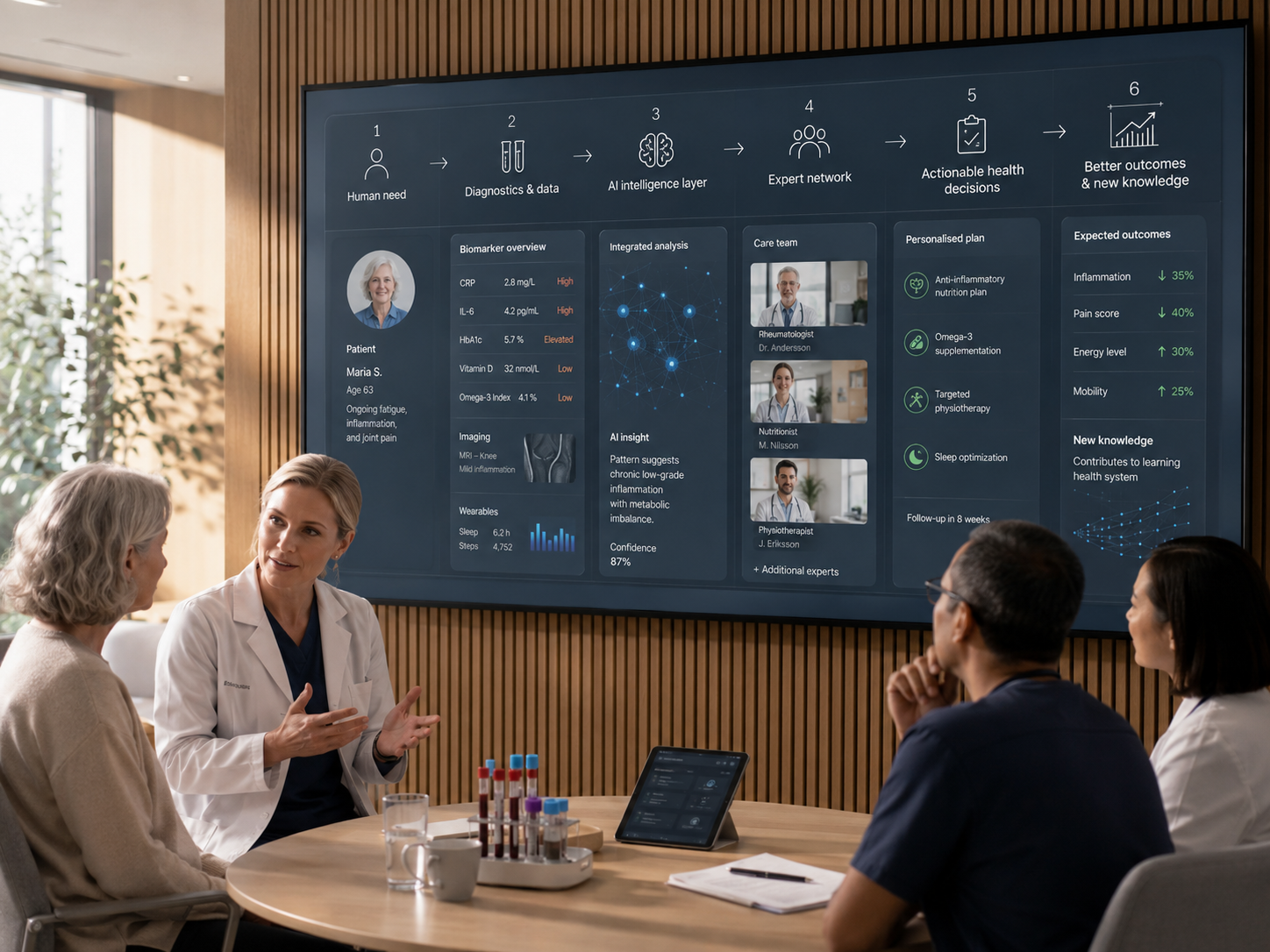
It becomes part of a structured system where health questions can be measured, interpreted, acted on and followed over time.
A person can experience the place.
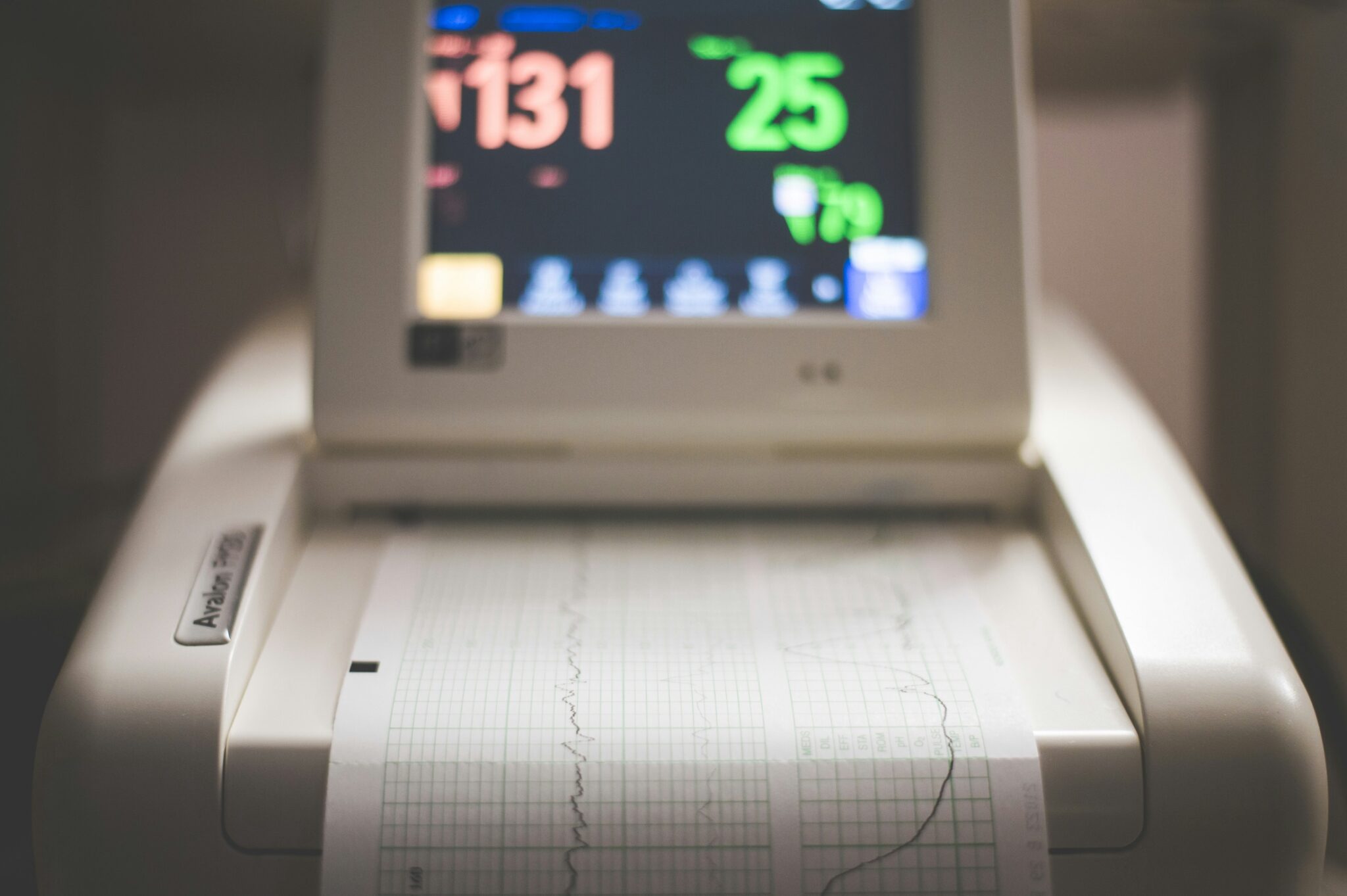
A program can measure biological signals.
Experts can interpret the data.
AI systems can support pattern recognition.
Research can learn from outcomes.
This is how local context and distributed health intelligence can work together.
A rural Nordic knowledge hub
The ambition is to build a rural Nordic knowledge hub for practical health intelligence.
This means developing serious health, research and technology work outside the traditional metropolitan center.
The High Coast provides a strong base for this.
It offers space, identity, quality of life and a setting that supports long-term development.
At the same time, the Institute is not limited to the region.
The model is distributed through laboratories, clinicians, researchers, AI systems, digital products and partner organizations.
The High Coast is the base.
The work can reach much further.
This combination is central:
local depth
distributed reach
Nordic environment
international ambition
Borgen Marieberg as center
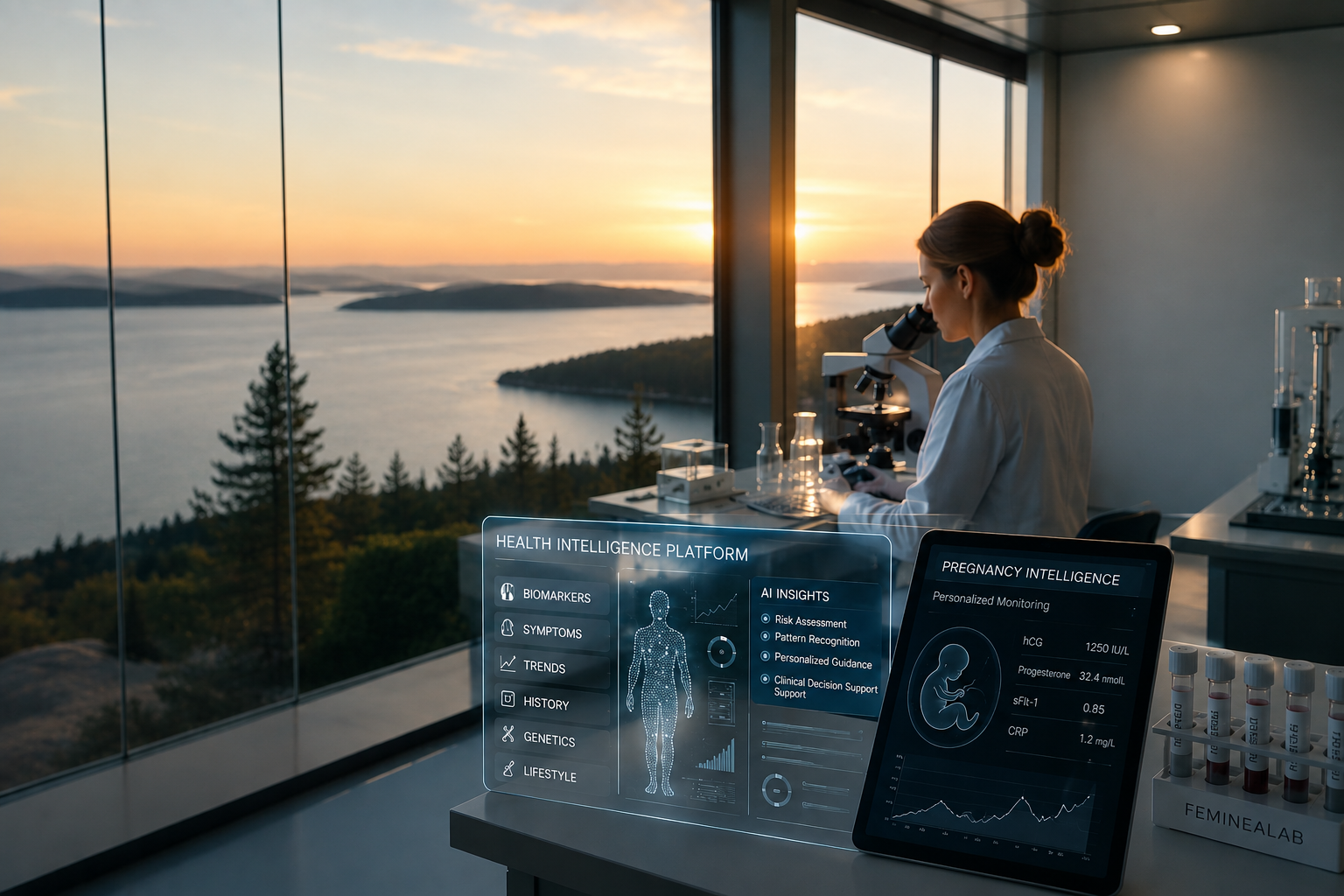
Borgen Marieberg gives the Institute a physical center.
It can become a place where the model is made visible and practical:
meetings
programs
diagnostics
research development
partner collaboration
education
retreats
health experiences
strategic work
A physical center matters because health intelligence should not only exist in dashboards, documents or algorithms.
It should be connected to people, place, routines and lived experience.
Borgen Marieberg can serve as a meeting point between science, environment, health programs, digital systems and regional development.
It anchors the Institute in a real place.
Culture, craft and regional identity
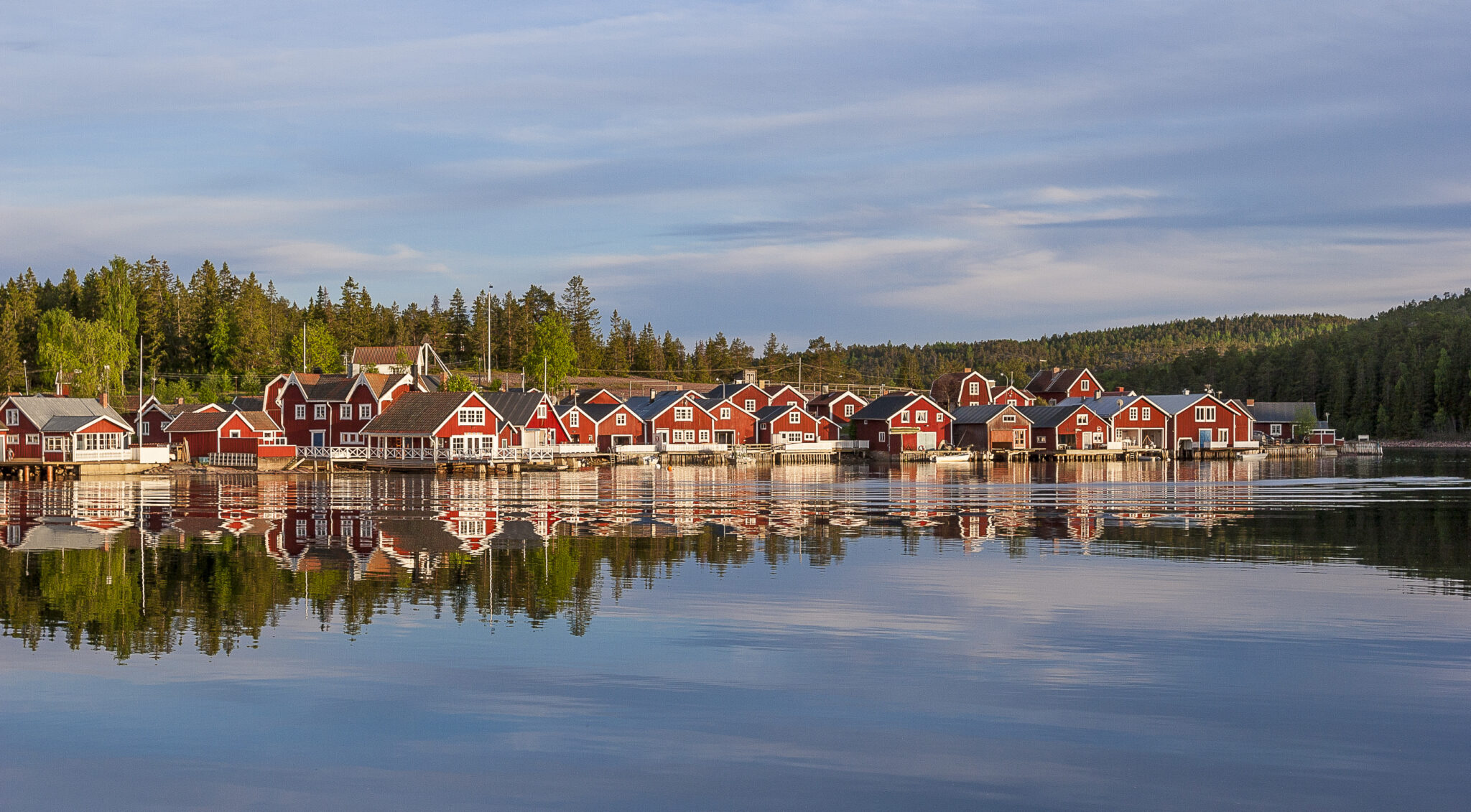
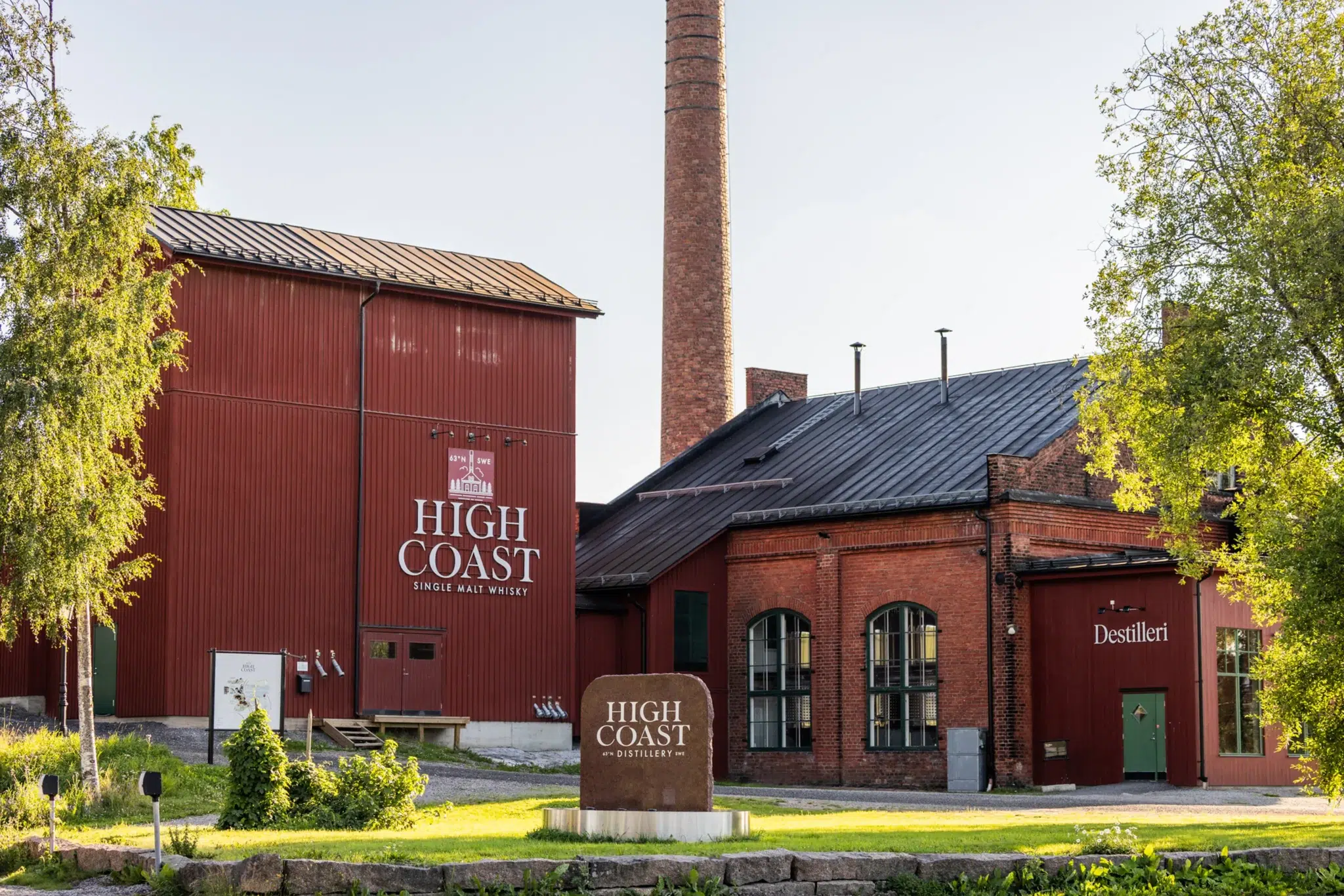
The High Coast is also shaped by local production, craftsmanship, industry and entrepreneurship.
The region has a strong connection between natural resources, human skill and long-term value creation.
This cultural context matters for the Institute.
High Coast Health Intelligence Institute is not only a health project. It is also a regional development project, a knowledge project and a platform for collaboration.
The Institute can connect:
health and diagnostics
research and product development
regional identity and international partnerships
science and environment
digital systems and human experience
The cultural context does not replace the scientific model.
But it gives the Institute a stronger foundation.
It makes the platform rooted, not abstract.
A low-noise environment
One of the most important qualities of the High Coast is less visible.
It is a low-noise environment.
The region offers lower population density, more space, more contact with nature and fewer artificial disturbances than many urban environments.
This can influence how people think, recover, work and reflect.
For health programs, research development and strategic collaboration, this matters.
A low-noise setting can support:
focus
recovery
deep work
long-term thinking
better conversations
reduced cognitive overload
This does not mean that the High Coast is isolated from modern systems.
It means the Institute can combine digital intelligence with a calmer physical setting.
That combination is part of the value.
The High Coast in the Institute model
The High Coast is not presented as a solution in itself.
Environment alone does not determine health.
But when combined with diagnostics, data, AI systems, expert networks, structured programs and research, it becomes a meaningful context.
The High Coast supports the Institute in several ways:
as a physical base
as a setting for programs and retreats
as a regional identity
as a place for partner collaboration
as an environment for recovery and reflection
as a symbol of long-term change
as a foundation for a rural Nordic knowledge hub
This is the role of place in the model.
Not as decoration.
Not as a promise.
But as context.
Local base, distributed model
High Coast Health Intelligence Institute is built from the High Coast, but not limited to the High Coast.
The Institute works through a distributed model:
AI systems can operate digitally.
Laboratories can be connected through partnerships.
Clinicians and researchers can collaborate across locations.
Programs can be delivered through different formats.
Digital products can reach people wherever they are.
Research intelligence can develop across multiple projects.
The local base gives identity and direction.
The distributed model gives reach and scalability.
Together, they create a platform that is both rooted and expandable.
High Coast as context, not only destination
The High Coast provides a rare combination of nature, space, seasonality, recovery, regional identity and long-term perspective.
For High Coast Health Intelligence Institute, this is not only a destination.
It is a context for building a new model of health intelligence.
The Institute uses this context to connect science, diagnostics, AI, expert knowledge, research, programs and real-world experience.
The goal is not to escape modern health systems.
The goal is to build better ones.
From the High Coast.
For people everywhere.