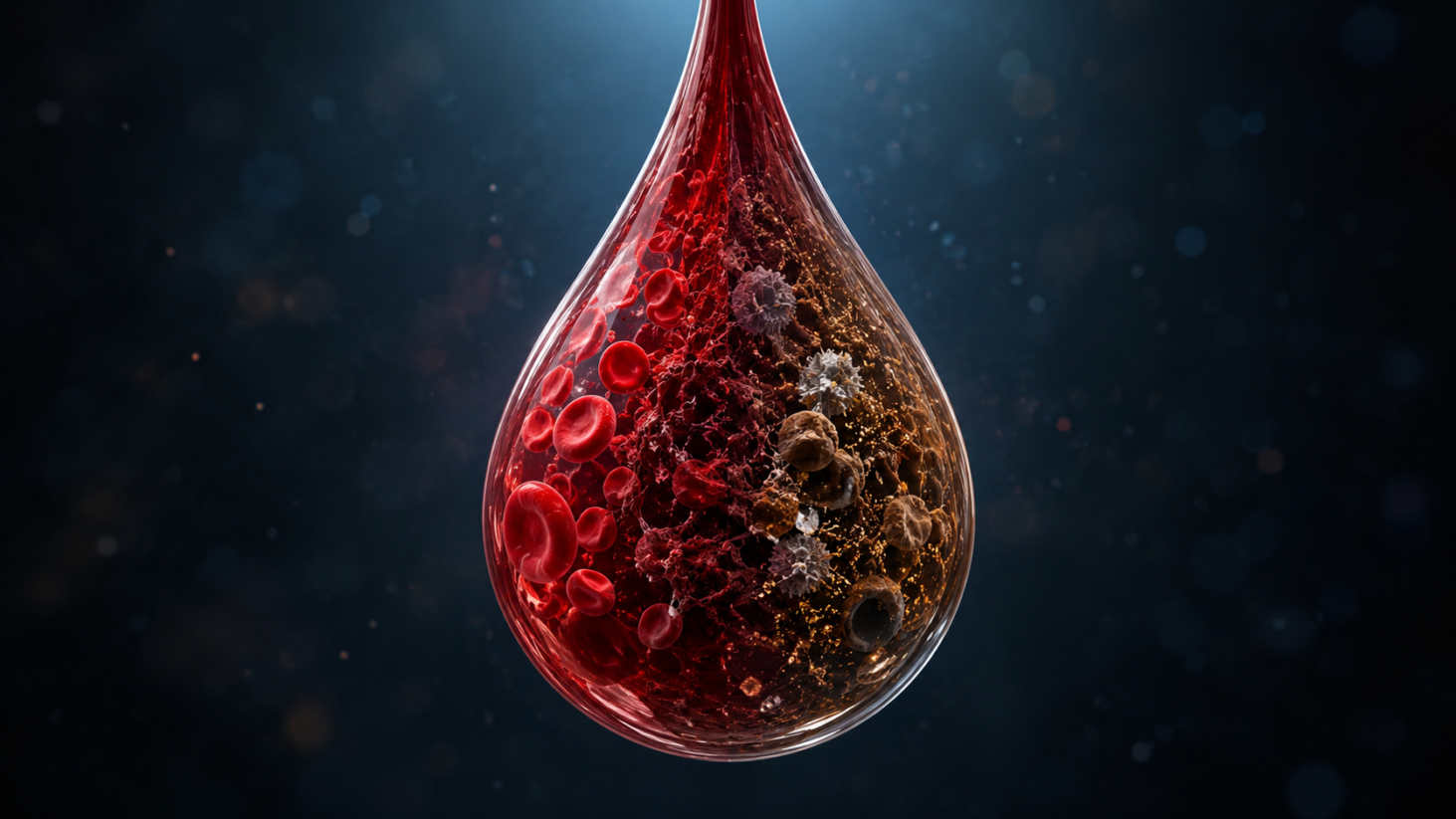
Pregnancy bleeding may not only reveal what is happening now. It may carry traces of when the bleeding began. This article explores whether hemoglobin breakdown, oxidation, hemosiderin, macrophages, clot organization and RNA degradation could help estimate the age of a pregnancy bleed.
The Chemistry of Pregnancy Bleeding
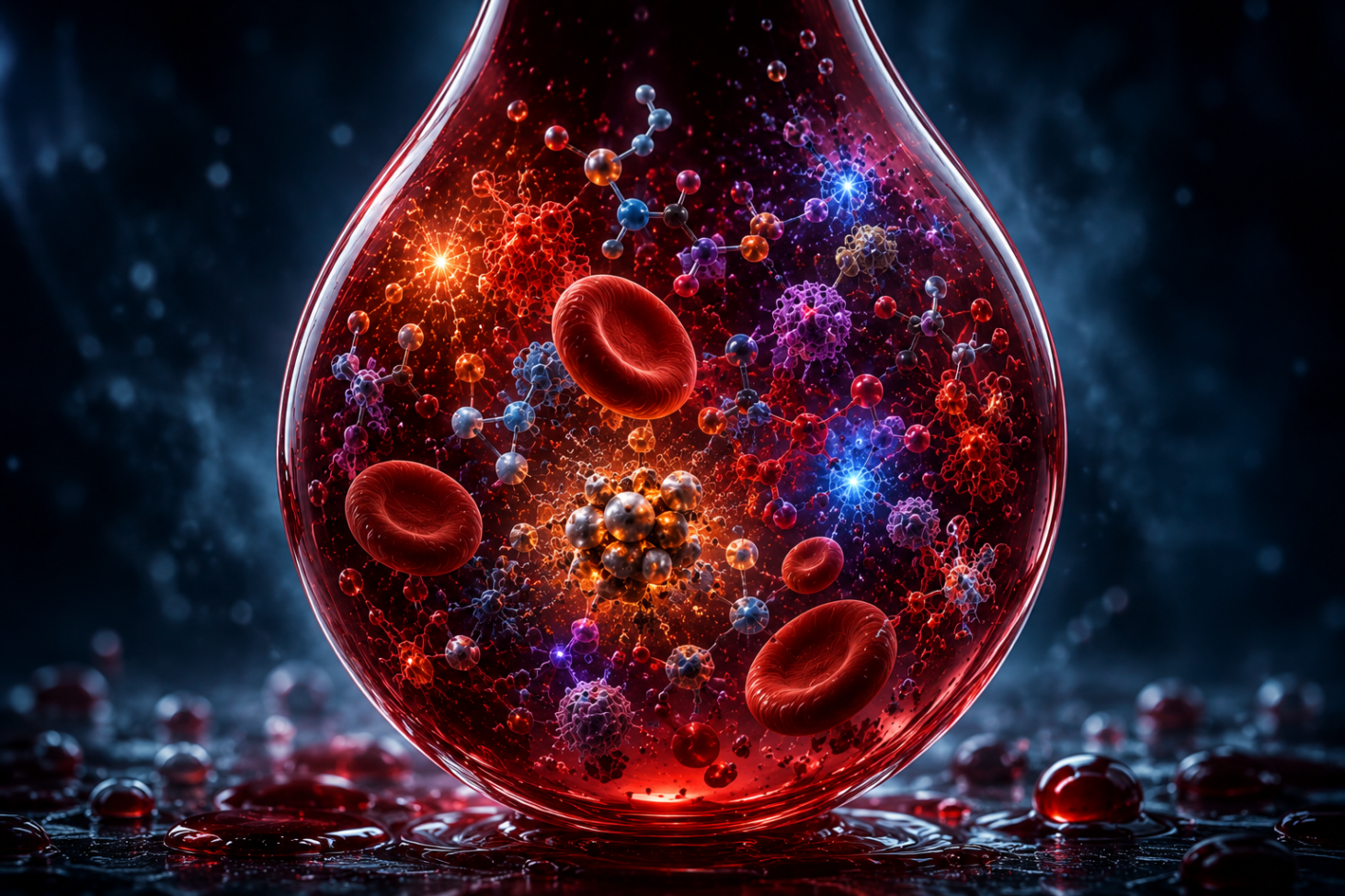
Pregnancy bleeding is more than blood cells. This article explores the hidden chemistry of bleeding, including iron metabolism, oxidative stress, inflammatory mediators, prostaglandins, lactate and tissue-remodeling signals that may reveal the biological environment surrounding the event.
Visual Forensics of Pregnancy Bleeding
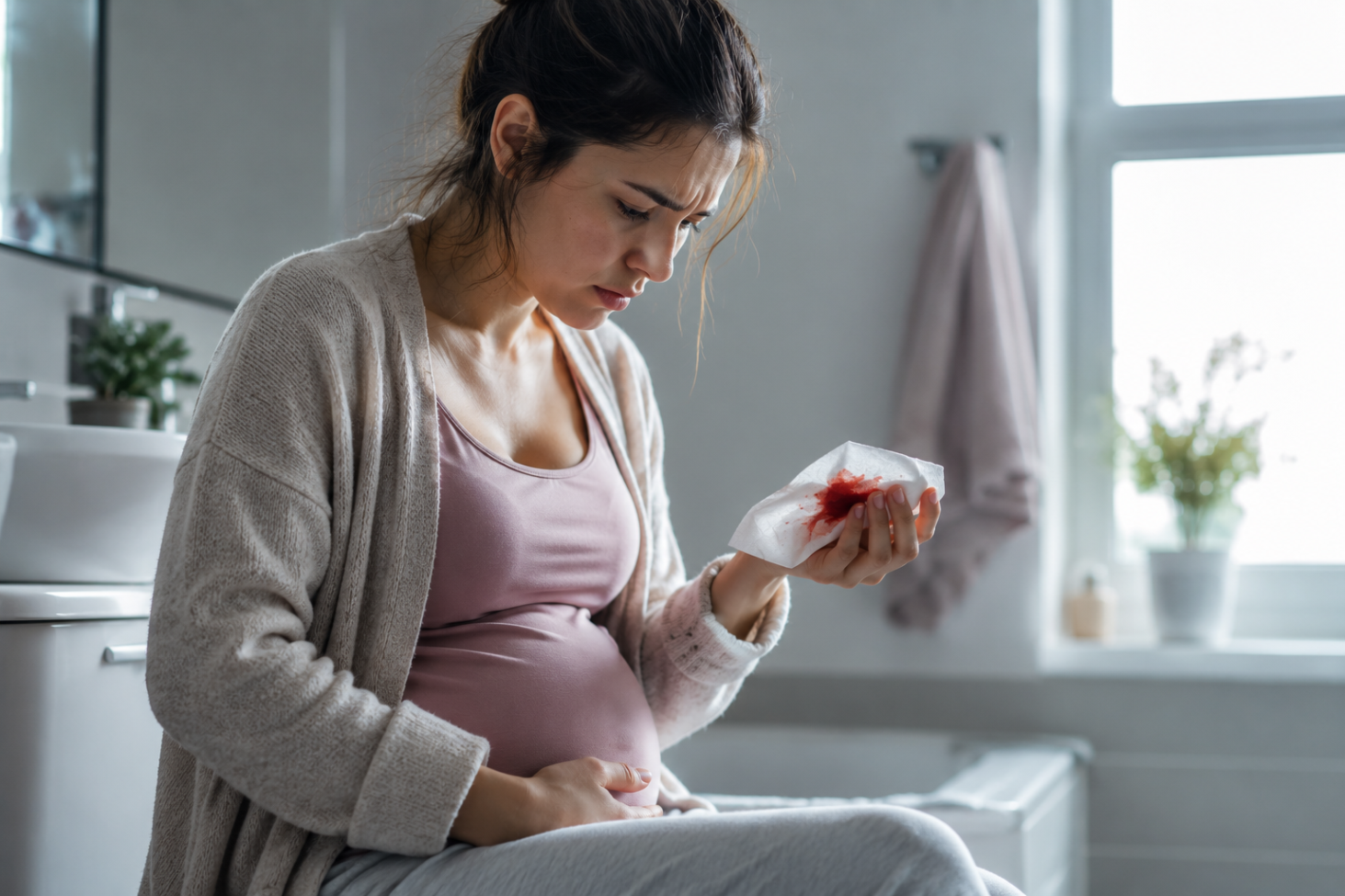
Pregnancy bleeding is usually described by amount and color. This article explores a more structured forensic approach: what the visible appearance of bleeding may reveal about timing, retention, coagulation, mucus involvement and possible tissue contribution.
What Can a Drop of Pregnancy Bleeding Tell Us?
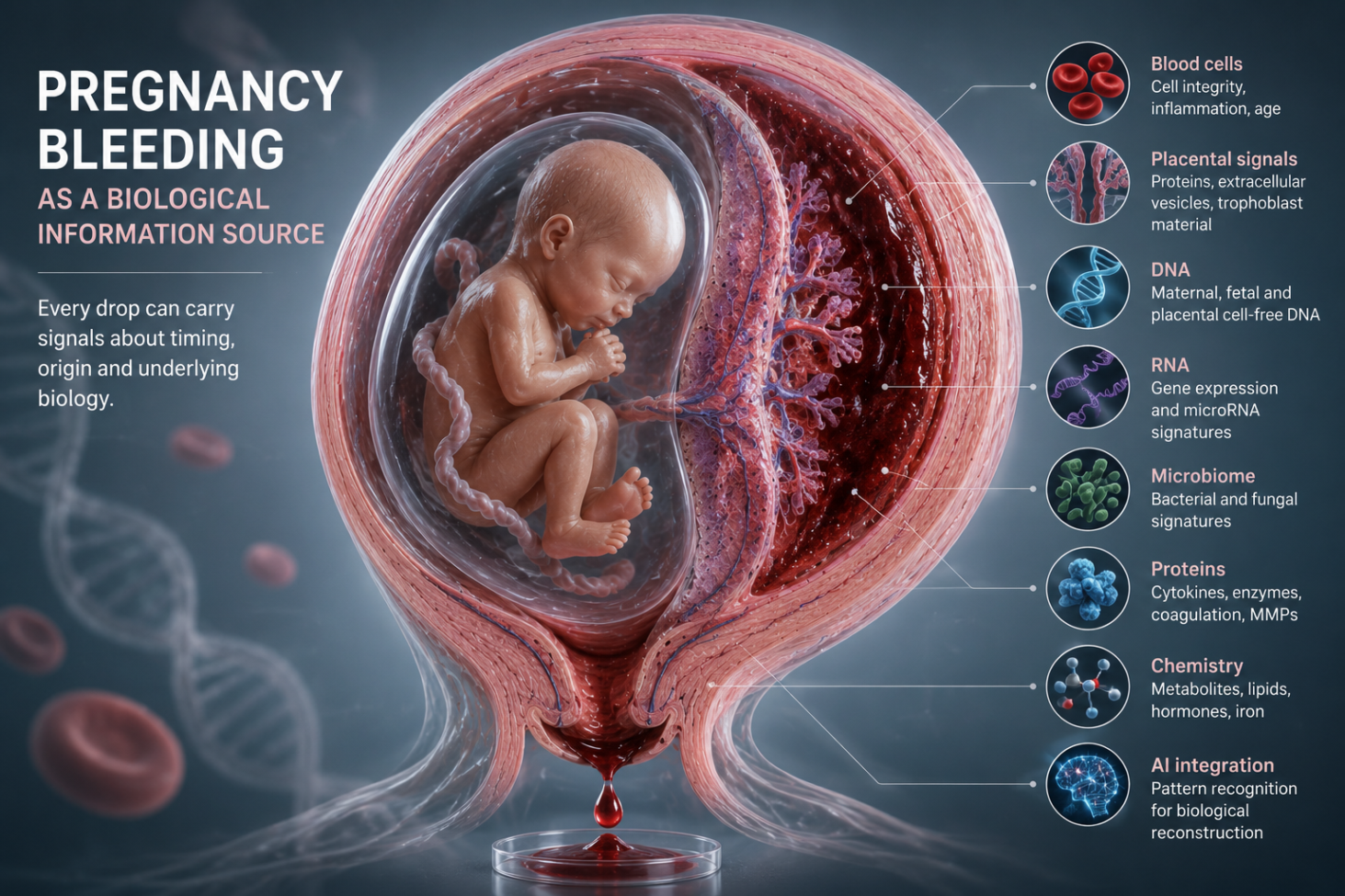
Pregnancy bleeding is usually treated as a symptom. But what if the bleeding itself is an information-rich biological specimen? This article explores a forensic framework for understanding vaginal bleeding in weeks 18–24 of pregnancy through microscopy, chemistry, microbiology, molecular biology and future AI-assisted interpretation.