AI and Pregnancy Bleeding Intelligence

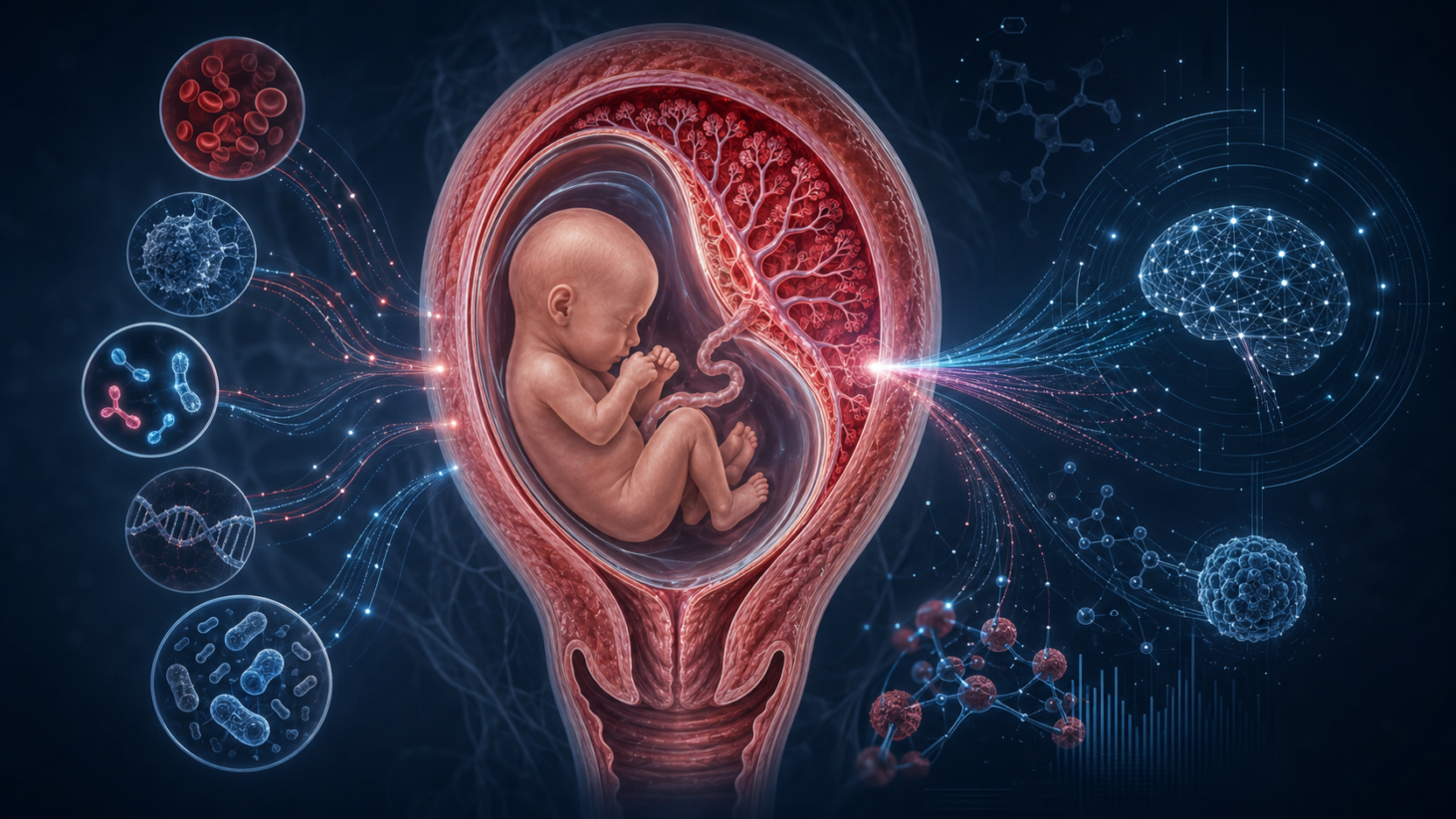
AI and Pregnancy Bleeding Intelligence

Pregnancy bleeding may contain hundreds of biological signals. This article explores how AI could integrate visual appearance, microscopy, microbiome data, chemistry, proteomics, DNA/RNA and clinical context into a structured interpretation of timing, source, mechanism and risk.
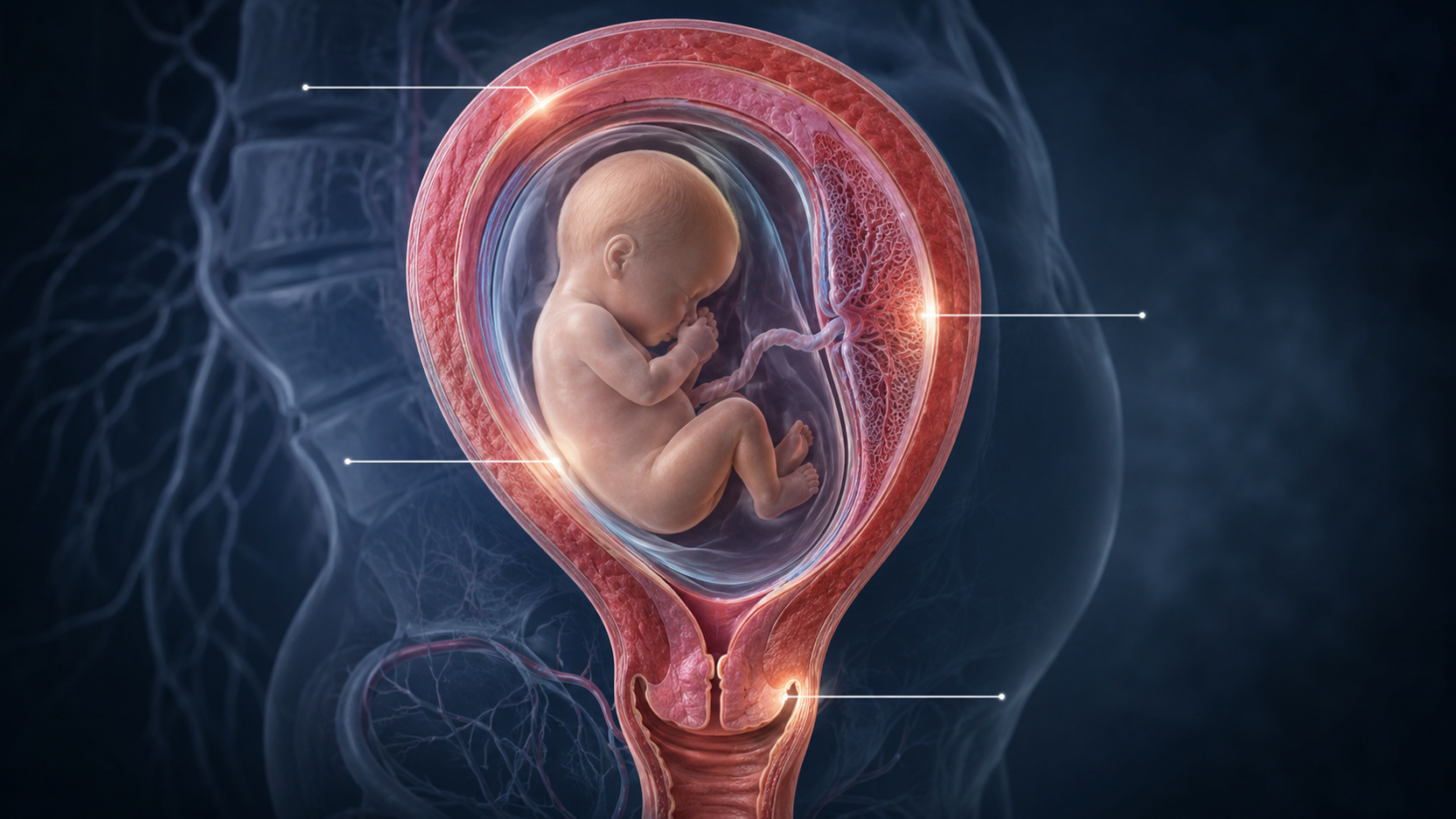
Source attribution in pregnancy bleeding

Reconstructing the Source of Pregnancy Bleeding

Pregnancy bleeding is seen vaginally, but that does not mean the vagina is the source. This article explores how visual clues, microscopy, microbiology, chemistry, proteomics and DNA/RNA may help reconstruct whether bleeding originated from the cervix, decidua, placenta or fetal membranes.

Estimate the age of blood in pregnancy

Can We Estimate the Age of a Pregnancy Bleed?

Pregnancy bleeding may not only reveal what is happening now. It may carry traces of when the bleeding began. This article explores whether hemoglobin breakdown, oxidation, hemosiderin, macrophages, clot organization and RNA degradation could help estimate the age of a pregnancy bleed.

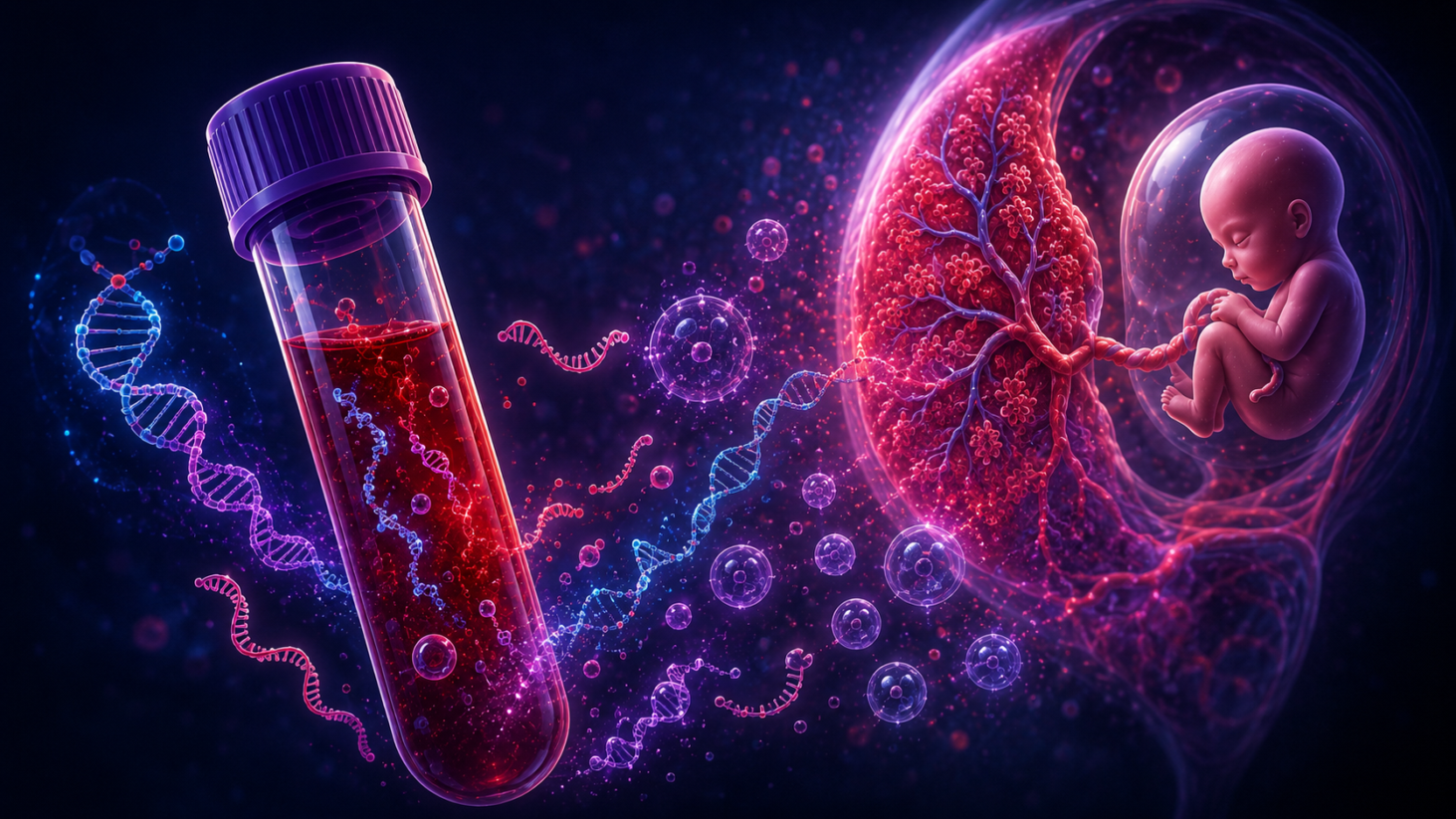
Scientific illustration of pregnancy bleeding analyzed through DNA, RNA, methylation and tissue-of-origin mapping at the maternal-fetal interface.

DNA, RNA and Tissue-of-Origin Mapping in Pregnancy Bleeding

Can pregnancy bleeding become a molecular map? This article explores how DNA, RNA, methylation, fetal DNA, placental DNA and tissue-specific expression patterns could help identify where bleeding originated and what tissues were active.

Proteomics in pregnancy bleeding

Proteomics and the Pregnancy Tissue Interface

Proteins are the working molecules of biology. This article explores how proteomics could help identify whether pregnancy bleeding involves maternal blood, decidua, placenta, fetal membranes, inflammation, angiogenesis or tissue remodeling.

Blood showing molecules inside

The Chemistry of Pregnancy Bleeding

Pregnancy bleeding is more than blood cells. This article explores the hidden chemistry of bleeding, including iron metabolism, oxidative stress, inflammatory mediators, prostaglandins, lactate and tissue-remodeling signals that may reveal the biological environment surrounding the event.

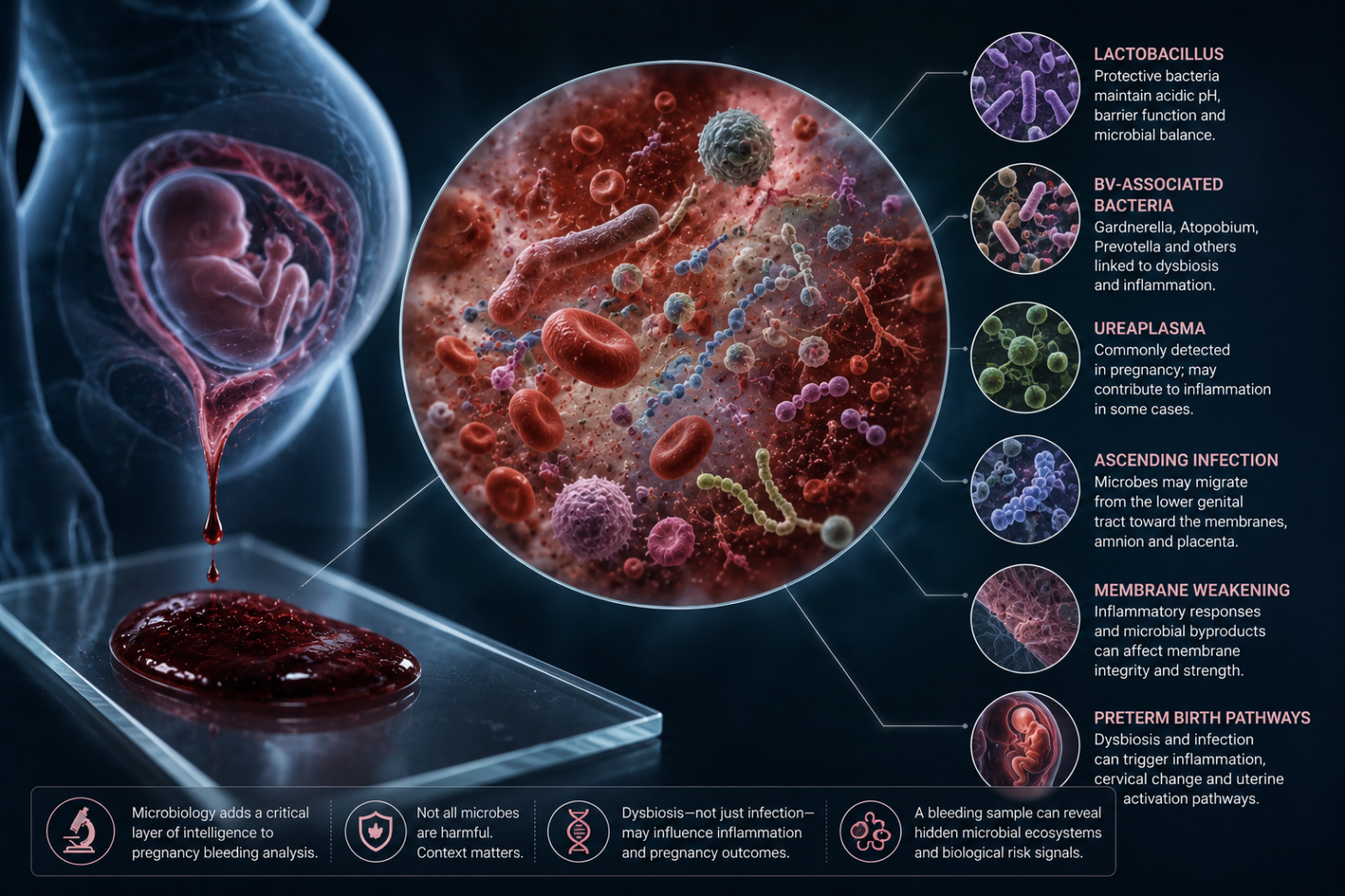
Scientific illustration showing pregnancy bleeding as a microbial ecosystem containing Lactobacillus, BV-associated bacteria, Ureaplasma and inflammatory pathways.

The Microbiome Hidden in Pregnancy Bleeding

Pregnancy bleeding may contain more than blood. This article explores how microbial communities, dysbiosis and inflammatory microbiome patterns could contribute to membrane weakening, ascending infection and adverse pregnancy outcomes.

Worried woman having pregnancy bleeding

Visual Forensics of Pregnancy Bleeding

Pregnancy bleeding is usually described by amount and color. This article explores a more structured forensic approach: what the visible appearance of bleeding may reveal about timing, retention, coagulation, mucus involvement and possible tissue contribution.

Pregnancy bleeding as biological info signal

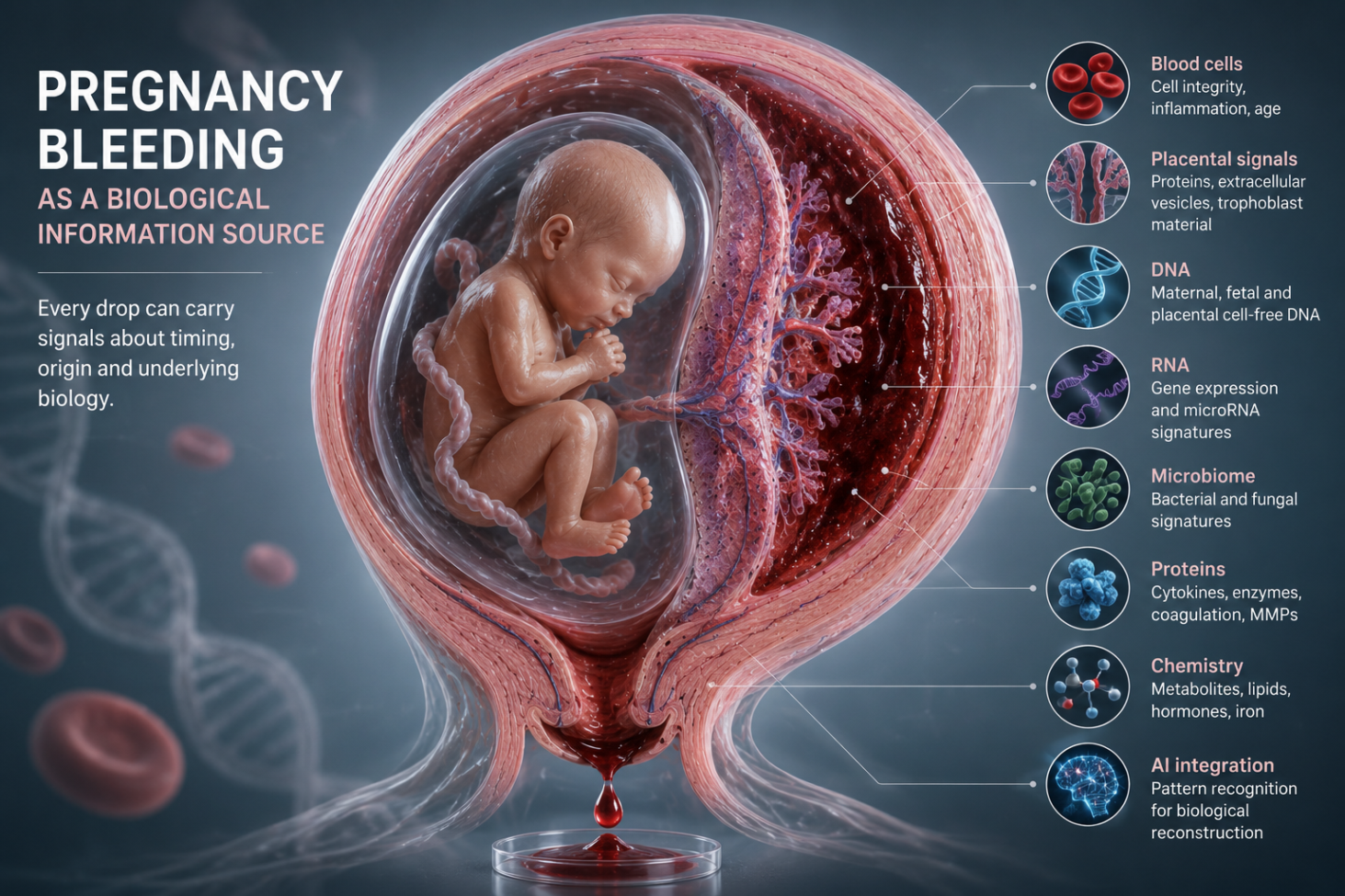
What Can a Drop of Pregnancy Bleeding Tell Us?

Pregnancy bleeding is usually treated as a symptom. But what if the bleeding itself is an information-rich biological specimen? This article explores a forensic framework for understanding vaginal bleeding in weeks 18–24 of pregnancy through microscopy, chemistry, microbiology, molecular biology and future AI-assisted interpretation.