Can Menstrual Blood Predict Pregnancy Risk

Can Menstrual Blood Predict Pregnancy Risk?

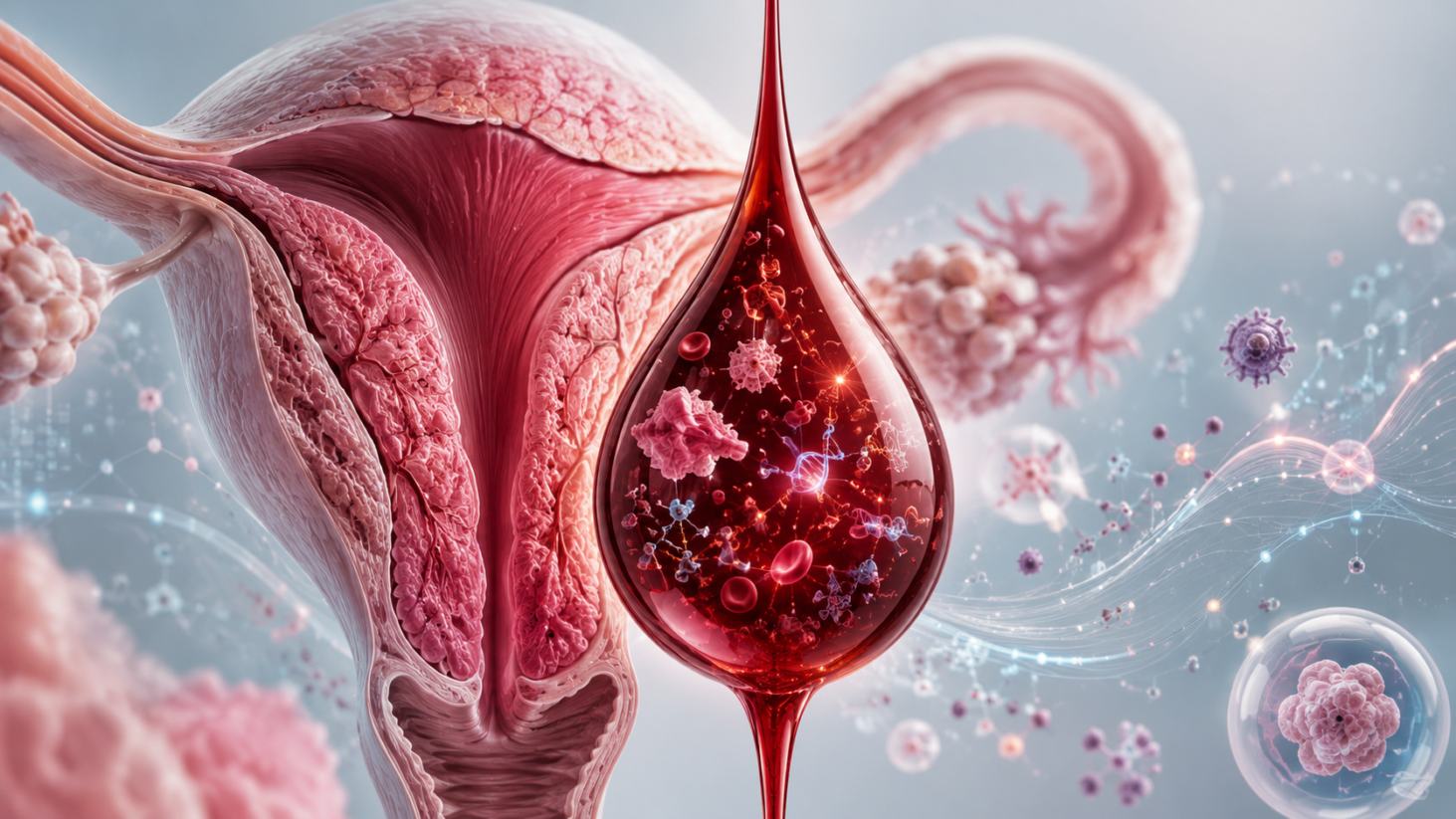
Menstrual blood may contain far more than blood. This article explores whether menstrual blood could act as a pre-pregnancy biological fingerprint, revealing inflammation, endometriosis-associated patterns, progesterone resistance, endometrial health, microbiome balance and tissue-repair signals that may one day help understand pregnancy risk.
AI and Pregnancy Bleeding Intelligence

AI and Pregnancy Bleeding Intelligence

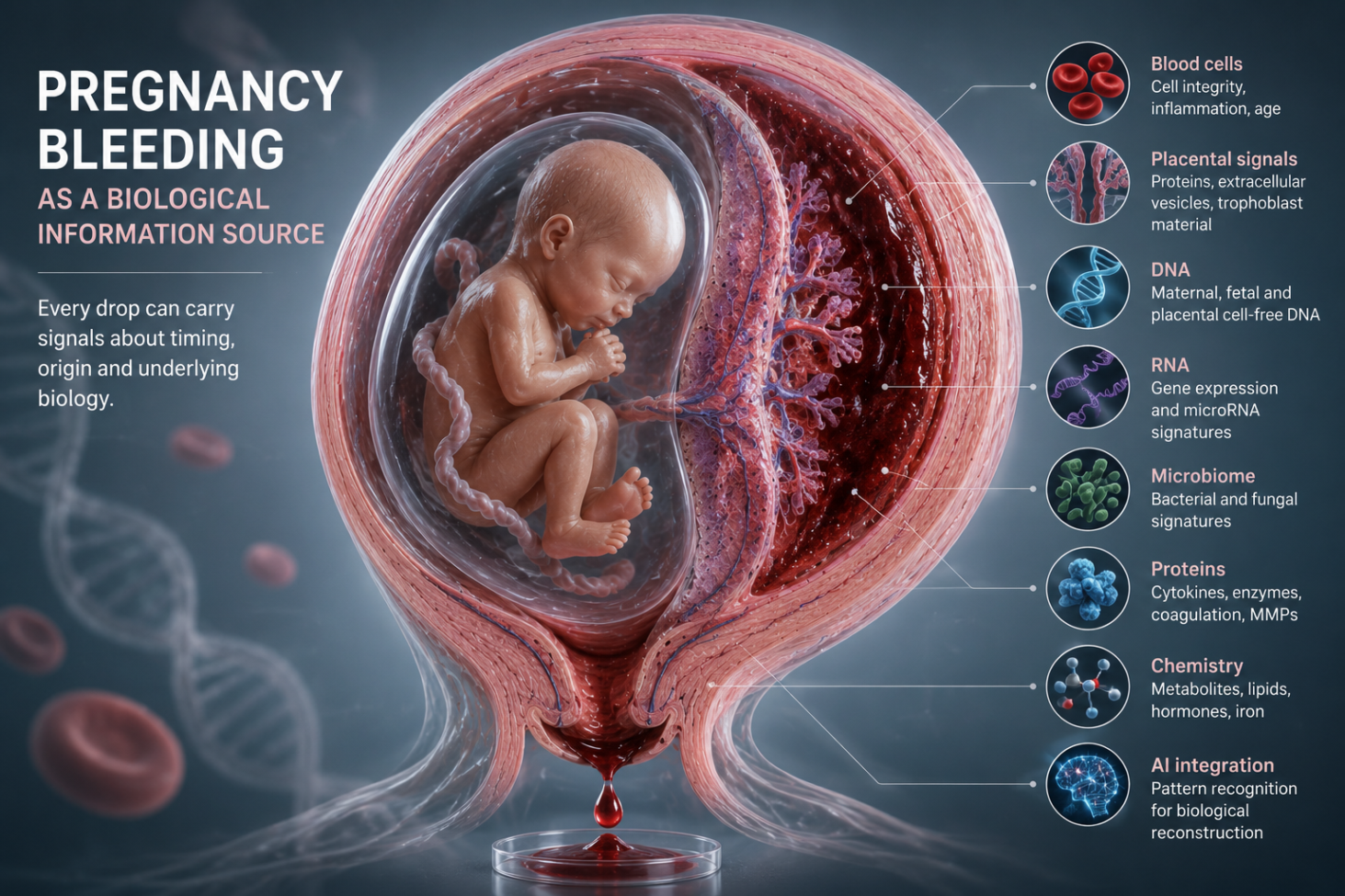
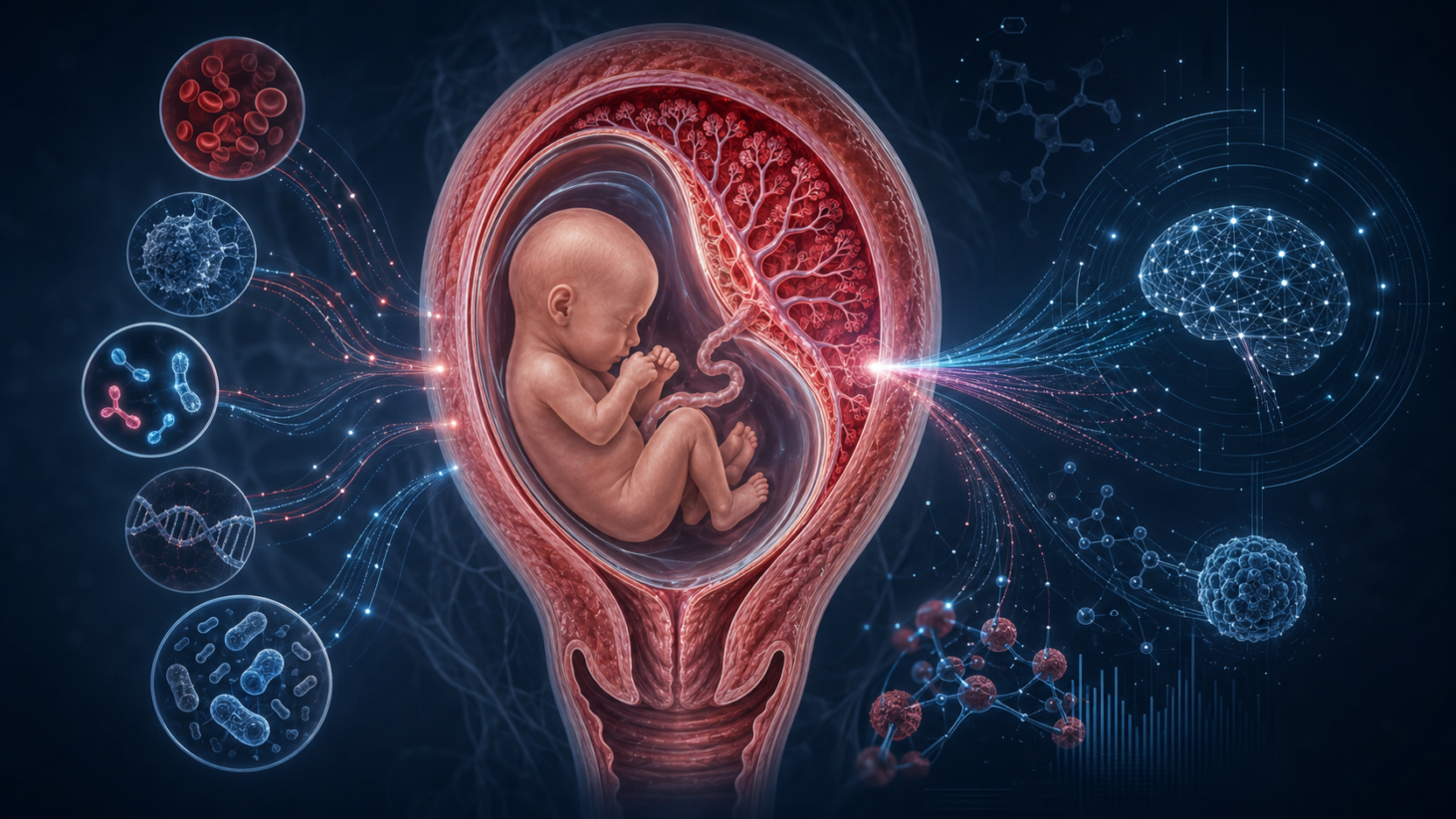
Pregnancy bleeding may contain hundreds of biological signals. This article explores how AI could integrate visual appearance, microscopy, microbiome data, chemistry, proteomics, DNA/RNA and clinical context into a structured interpretation of timing, source, mechanism and risk.

Source attribution in pregnancy bleeding

Reconstructing the Source of Pregnancy Bleeding

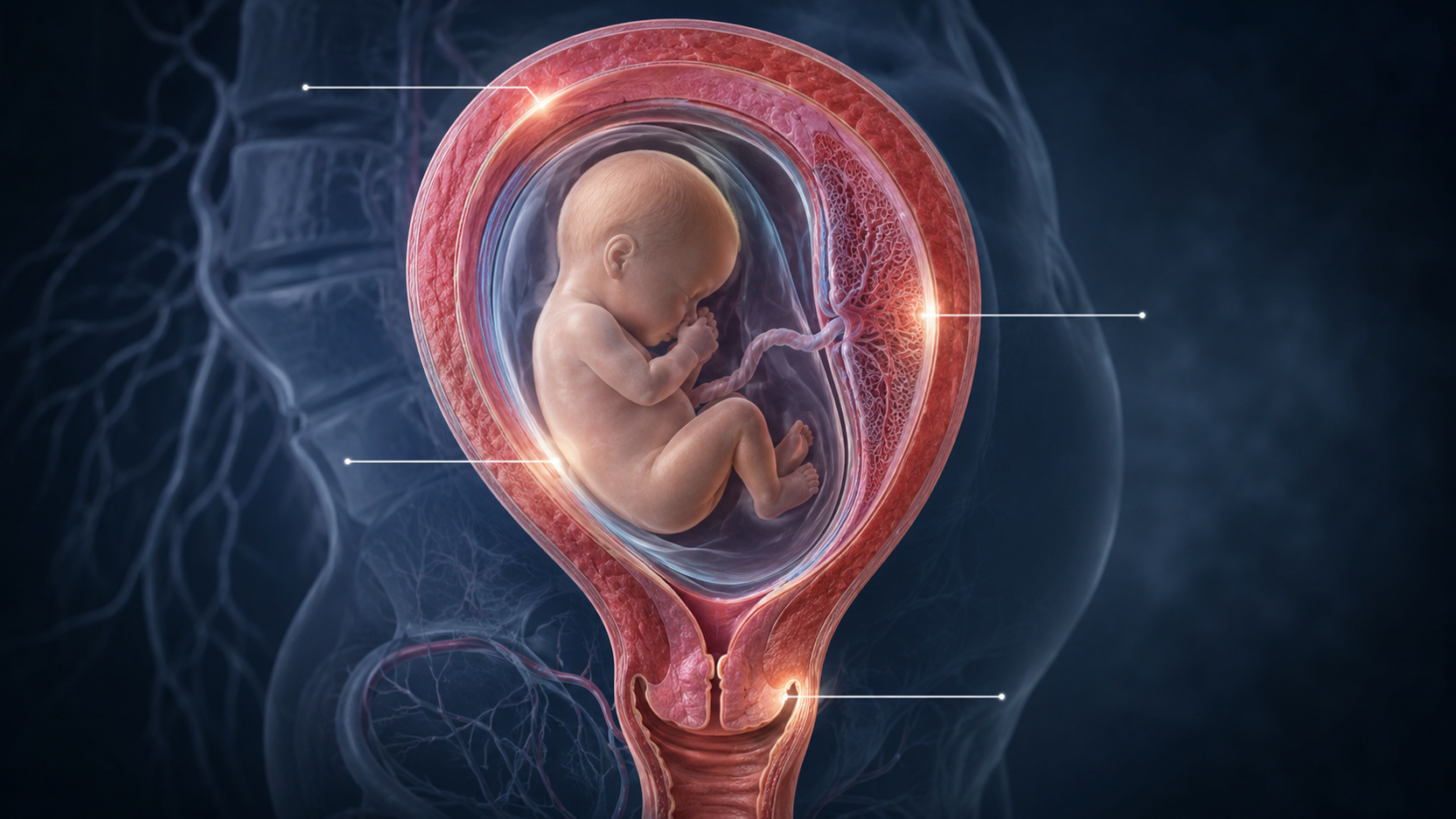
Pregnancy bleeding is seen vaginally, but that does not mean the vagina is the source. This article explores how visual clues, microscopy, microbiology, chemistry, proteomics and DNA/RNA may help reconstruct whether bleeding originated from the cervix, decidua, placenta or fetal membranes.

Proteomics in pregnancy bleeding

Proteomics and the Pregnancy Tissue Interface

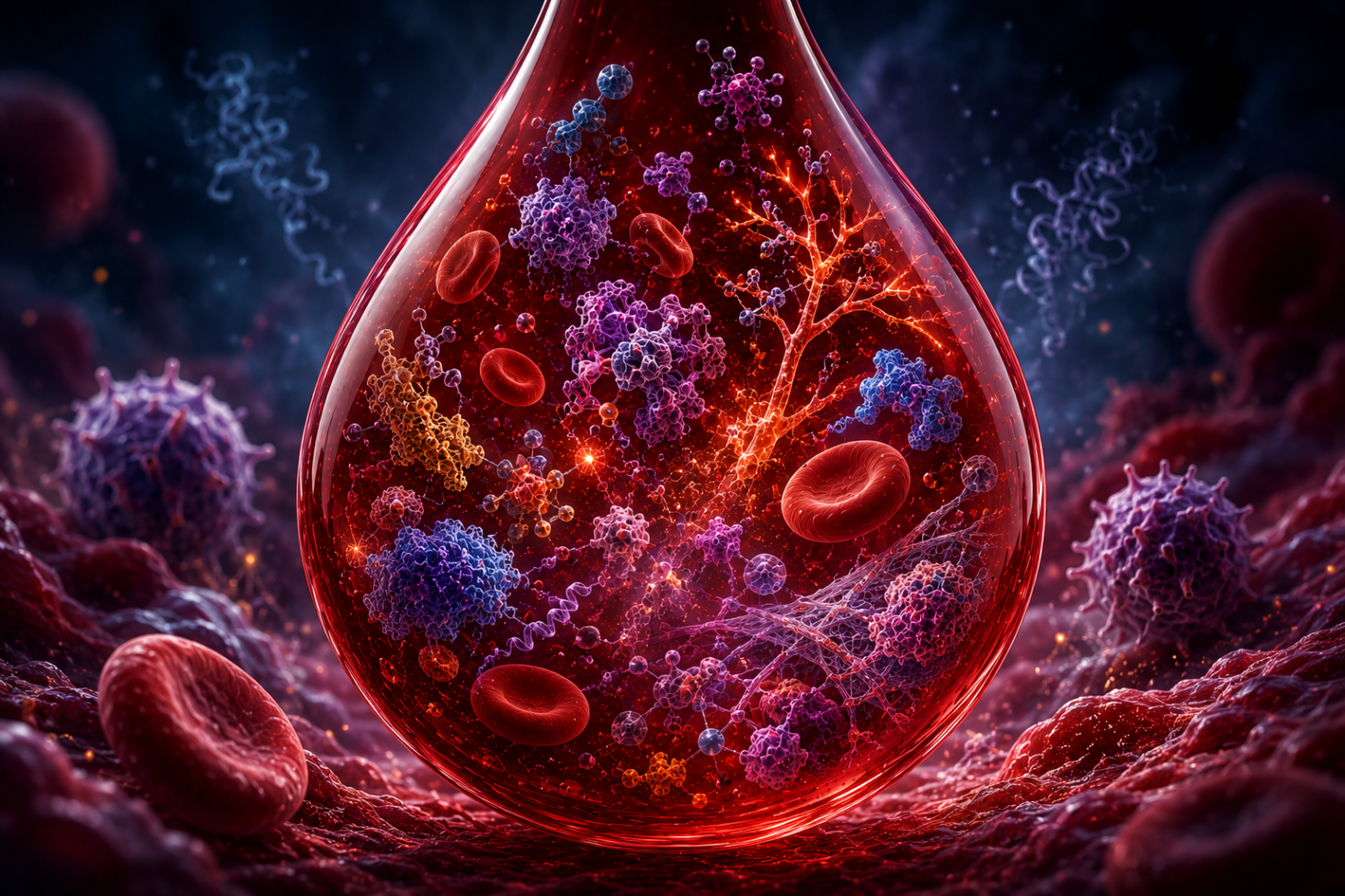
Proteins are the working molecules of biology. This article explores how proteomics could help identify whether pregnancy bleeding involves maternal blood, decidua, placenta, fetal membranes, inflammation, angiogenesis or tissue remodeling.

Worried woman having pregnancy bleeding

Visual Forensics of Pregnancy Bleeding

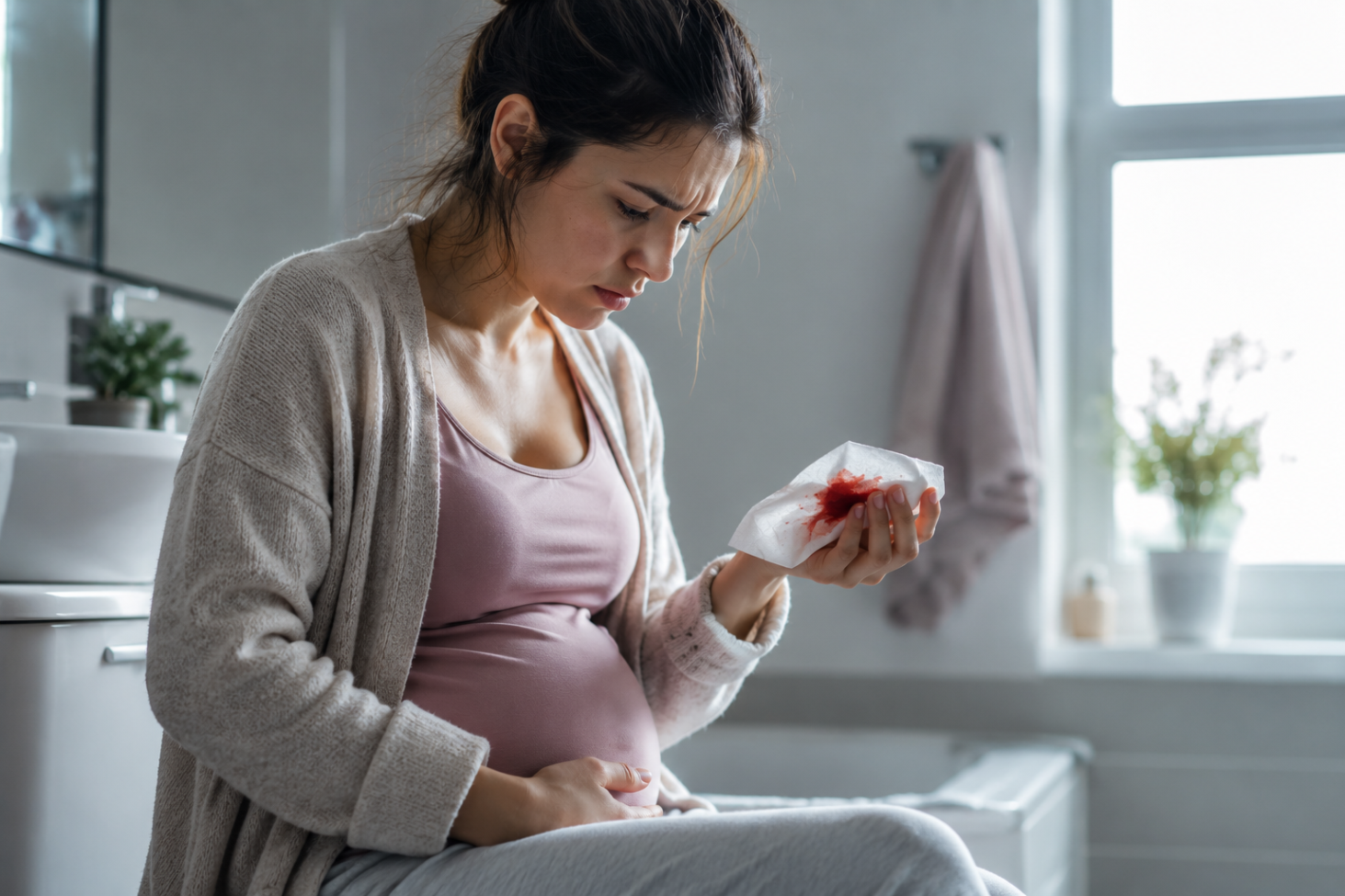
Pregnancy bleeding is usually described by amount and color. This article explores a more structured forensic approach: what the visible appearance of bleeding may reveal about timing, retention, coagulation, mucus involvement and possible tissue contribution.

Pregnancy bleeding as biological info signal

What Can a Drop of Pregnancy Bleeding Tell Us?

Pregnancy bleeding is usually treated as a symptom. But what if the bleeding itself is an information-rich biological specimen? This article explores a forensic framework for understanding vaginal bleeding in weeks 18–24 of pregnancy through microscopy, chemistry, microbiology, molecular biology and future AI-assisted interpretation.